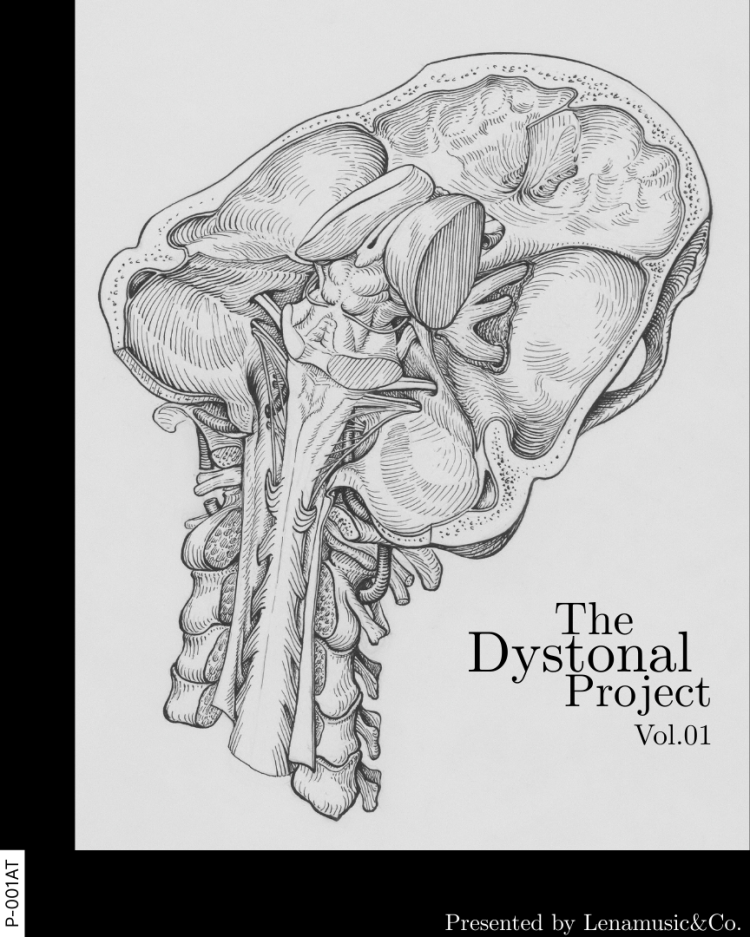
The Dystonal Project is a documentary series to present how Focal Dystonia sounds in music; that life is full of imperfections yet miraculous. The idea came from our board members, aware that the symptoms of Focal Dystonia vary between individuals and how little were acknowledged by the society.
In Vol.01, Composer Angel Tsang experimented with various music elements featuring a selection of world-renowned classics from the romantic period (c.a 1800-1900), attempted to find the optimum effect between dissonance and resonance, atonal and tonal. The first live concert was performed by Pianist Lena Cheung and Violinist Serena Lo, premiered in the recital hall of The Hong Kong Academy for Performing Arts, back in May 2024.
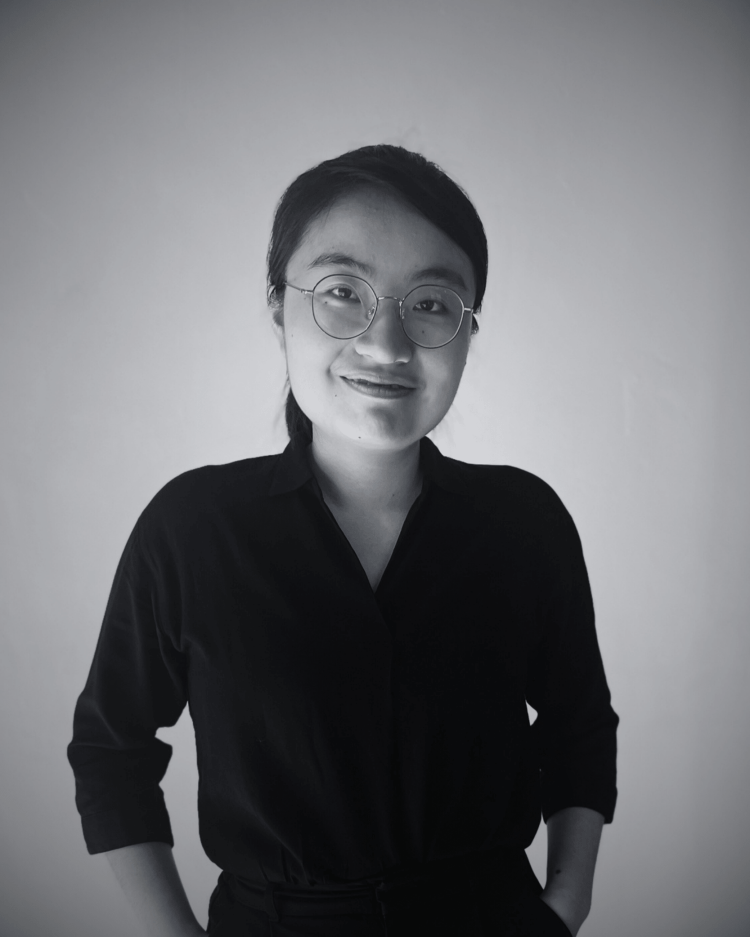
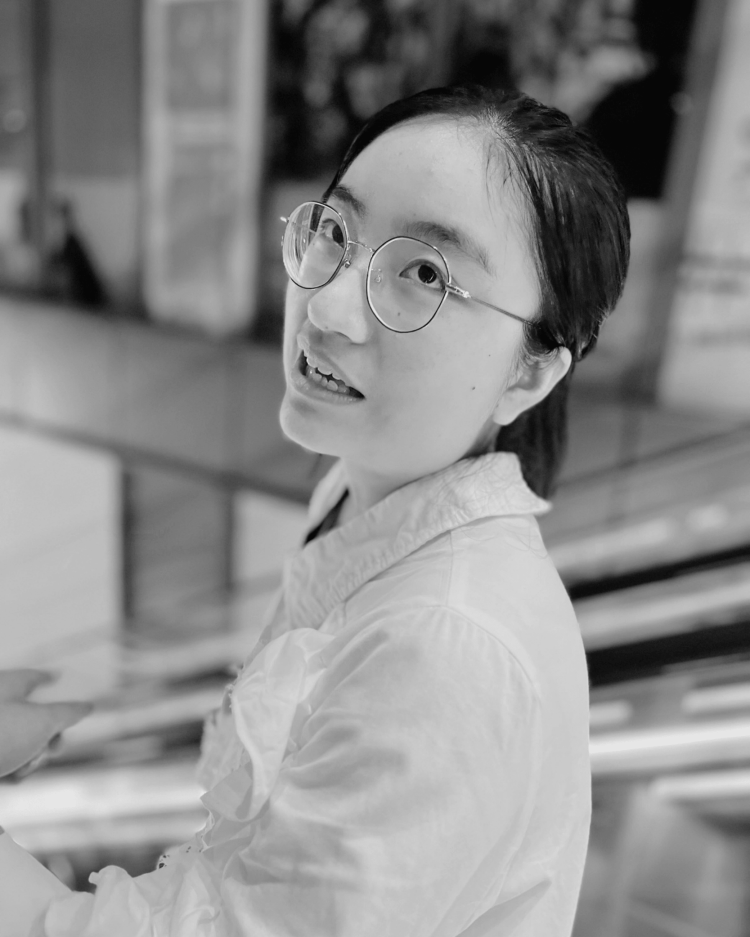
Today, the composer herself has joined us for a conversation, to share her insights about this project.

Q1: What is the inspiration behind the title “Frientasy”?
As an introduction of the series “The Dystonal Project”, this piece represents a mysterious dream I had about my friend Lena, who suffered from several rare illnesses which developed into now believed a secondary dystonia that seriously affects her life. Since I first encountered her in an unexpected setting, the urge to meet her in person again was strong; and to me, somehow sounds more like a dream, as she is a very private person. Friend+Fantasy=Frientasy. This is where comes the inspiration of the new word ‘Frientasy’, a combination of friend and fantasy.
Q2: Which pieces did you choose for this project, and why?
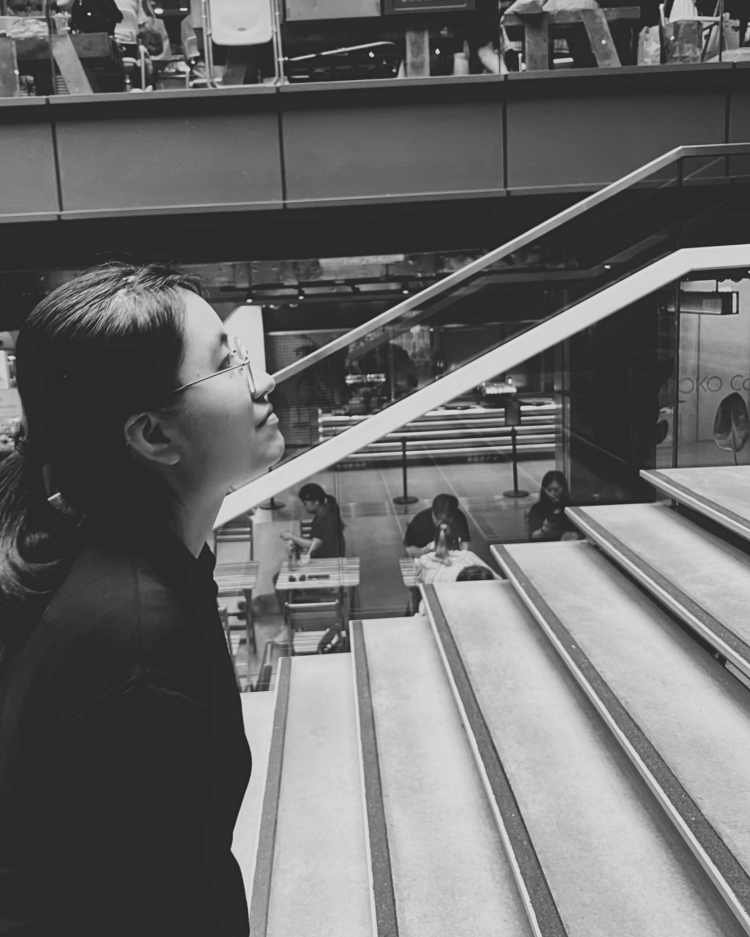
The four pieces quoted chronologically are Ballade No. 1 in G minor, Op. 23 by Chopin, Piano Concerto No. 5 in E-flat major, Op. 73 “Emperor” by Beethoven, Ballade No. 2 in F major, Op. 38 also by Chopin and Miscellanea, Op.16 No. 4, Nocturne in B-flat major by Paderewski. Each expresses the complicated emotions and scenes inside my dream, from struggling in uncertainty to taking a stroll in the shopping arcade with her, from indulging myself while sampling perfume to realise that this as a whole is just a pipe dream that I have to wake-up. I intentionally transposed the key of the Piano Concerto No.5 and speed up the tempo to better fit the picture in my mind, allowed a natural transition for the whole piece.
Q3: What did you learn while participating in The Dystonal Project?
I explored better notation on score for the piece. Other than that, I understand more about Focal Dystonia. The condition could be disturbing to the patient but is not something unmanageable. Proper specialist treatment helps to bring symptoms under control and thus providing opportunities to performers who suffered from it to carry on their career without switching into another position. There was also what I called a miracle happened on Lena during her journey from diagnosis to rehabilitation. She played in the dark without looking at the score, almost flawlessly, to a point where I had a moment wondering if she was actually fully recovered from it.
Q4: What is the most challenging part in the production of Frientasy?
I think it is doing the right thing at the right time. We were living in different time zones which separated us 7-8 hours apart, the pianist herself is also dealing with so many conditions. Believe it or not, I literally booked my flight tickets and accommodation, aiming to record her playing in London all by myself, though my circumstance set me back so I have to reschedule the trip and request digital recordings from her instead.
Q5: If you can do anything better, what will it be?
Stage fright would be something I would like to overcome in this project as I mixed up the clips at the beginning during the live performance. After all, it was my first collaboration with artist outside of my school. There would be a studio revised version for Frientasy and I am working on it.
Q6: Finally, what do you want for The Dystonal Project?
I hope this project could serve as a platform to let people understand more about Focal Dystonia through music and bring out the message that having this condition does not necessarily mean the end of a profession.
Thank you.

You can now access the first track of The Dystonal Project Vol.01 on YouTube which was recorded in 31 May 2024. Explore the timestamps to discover the story of Frientasy.
Subscribe to our YouTube channel and turn on the notification (a.k.a the bell) for further updates. Alternatively, follow our social media listed below.

 Lenamusic&Co.