
- What is Musicians’ Dystonia?
- Symptoms
- The History of Dystonia
- Current treatments
- Why it is important to have genetic test?
- The stigmatisation of Musicians’ dystonia
What is Musicians’ Dystonia?
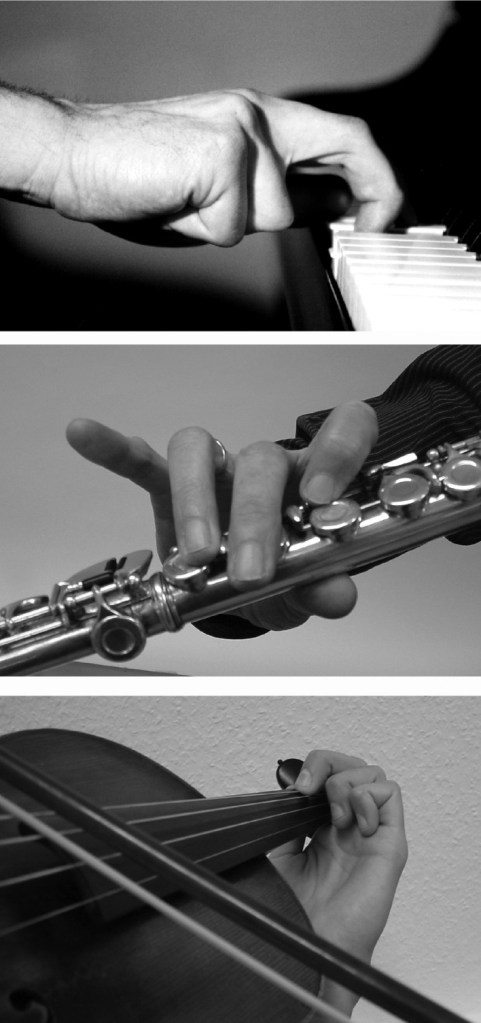
Musicians’ dystonia, also known as task-specific focal dystonia or musician’s cramp, is a neurological condition that affects musicians by causing involuntary muscle contractions or spasms in specific parts of the body, typically the hands, fingers, or arms, during skilled movements. It is a task-specific disorder, meaning it occurs only when performing highly skilled activities, such as playing a musical instrument, and not during other tasks. While the underlying cause is still under investigation, up to date most of the researchers found that the condition could arises when the brain plasticity become maladaptive, where excessive or repetitive training over years rewires neural networks, leading to degraded sensory and motor control. Emotional stress and genetic predisposition can amplify the condition, involving the basal ganglia and limbic system.
However, it is important to highlight that what we know about the human brain is very limited. With the basal ganglia playing a vital role for fine motor skill and the corpus callosum served as a communication bridge between the two cerebral hemispheres(a.k.a two side of the brain), meaning anything goes wrong within the brain network e.g. brain lesion, can trigger this condition, thus there is no absolute causation between over-practising and MD. Also, for many diagnosed MD patients, the symptoms tend to spread, and could hinder the ability to carry out a wide variety of daily routine. For example, in our Director Lena’s case, she had some days completely unable to use bakery’s tongs and cutlery.
Therefore, instead of having a false belief that giving up a career would stop the condition deteriorate, receiving treatment and continue to work with the neurologists to rule out other brain condition is the most holistic way to prevent further trauma.
Symptoms
Dystonia is a condition that could be primary or secondary; cause may varies. It is found that symptoms of dystonia include curling or locking of fingers, irregular or slowed movements (e.g., trills or scales), and difficulty with fine motor tasks like pressing keys or strings. Some musicians experience temporary relief with “sensory tricks” (e.g., wearing gloves, playing in the dark). Tremors may accompany the spasms.
A study (Altenmüller E, 2003) with a sample of 189 participants discovered that, about 1% of professional musicians suffer from those symptoms, often emerging around age 32, though it can start as early as 15 or as late as 67. It is common in males (83%), classical musicians (89%), and players of instruments like piano (29%), guitar (20%), and woodwinds (21%). Other factors include perfectionism, high-pressure solo roles (49%) and family history of dystonia (10%).
The History of Dystonia
Early 1830s
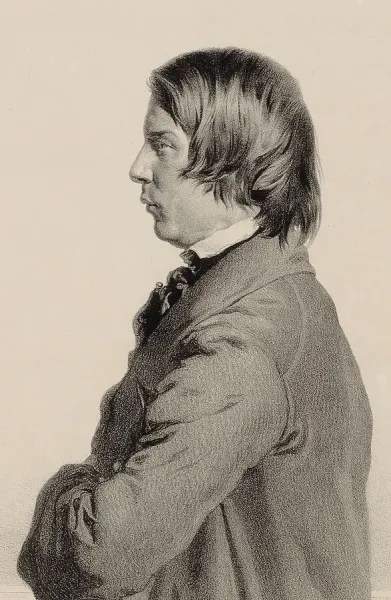
The first possible case of musician’s dystonia would be Robert Schumann, who had trouble controlling his right hand without consistently affecting a specific finger, forcing him to give up his career as a pianist. In a letter written to his friend, Agnes Carus, states: “it came to such a point that whenever I had to move my fourth finger, my whole body would twist convulsively and after six minutes of finger exercises I felt the most interminable pain in my arm, in short a complete breakdown.” Dr. Moritz Emil Reuter, a personal friend, once mentioned in two reports that he had “a complete palsy of the third finger of the right hand and partial of the index finger, which would make him unable to fire a gun.”
Only almost 200 years after his death, have the neurologists reviewed Schumann’s medical history and suggest his diagnosis of Focal Dystonia.
1960s:
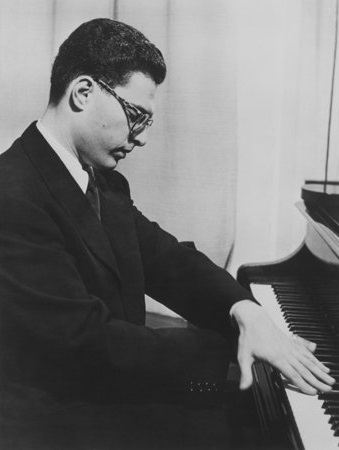
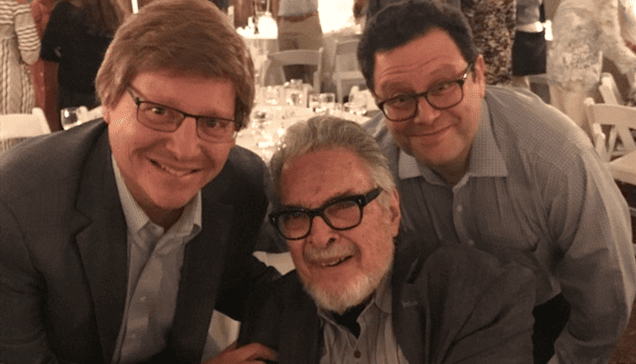
Leon Fleisher, a renowned classical pianist and the 1st winner of Queen Elizabeth Competition (1952), faced a career setback in 1964 due to focal dystonia, which caused involuntary muscle contractions in his right hand, impairing his ability to play with those fingers. Despite this challenge, Fleisher’s legacy shines through his resilience: he composed and performed extensively using only his left hand, later regained partial use of his right hand through treatment, and became a leading advocate for dystonia awareness, notably as the spokesperson for the Freedom to Play campaign. The Leon Fleisher Foundation for Musicians with Dystonia is named after him upon his death in 2020, in memory of the influential and beloved pianist and prominent public champion for dystonia.
1970s:
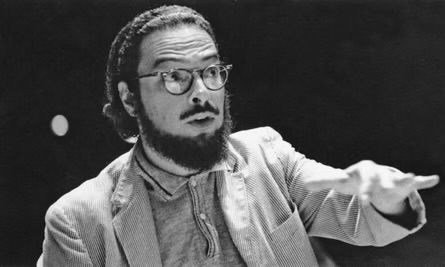
Gary Graffman was a well-known pianist who also suffered from music dystonia, causing his right hand to lose its dexterity, starting in the late 1970s after his hand injury in 1967. Despite the significant impact on his performance capabilities, he and his friend Leon Fleisher (mentioned above), became a prominent advocate for musician’s dystonia awareness. He continued his career by teaching, commissioning, and performing piano works for the left hand.
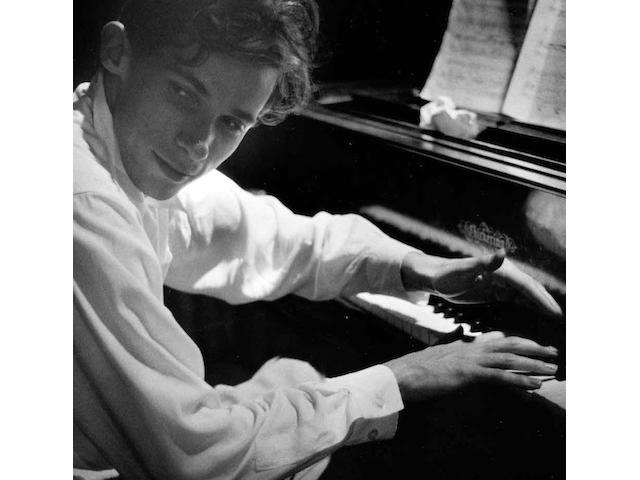
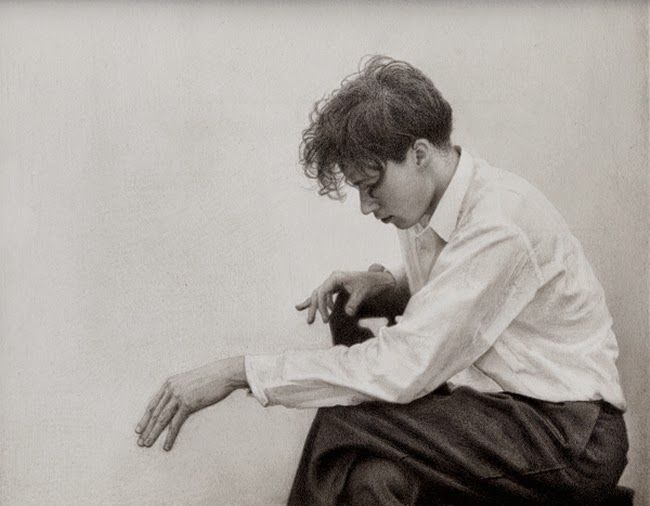
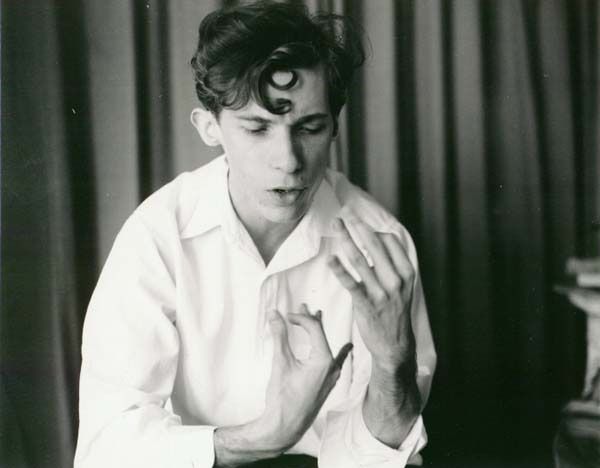
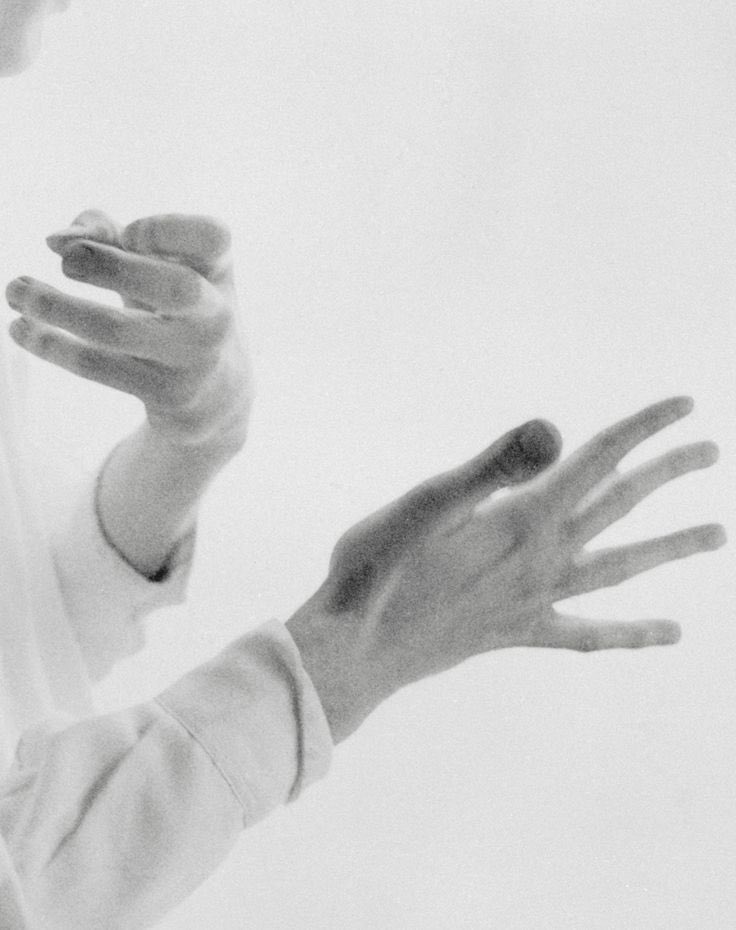
A number of neurologists believe that Glenn Gould, the legendary pianist could have focal dystonia. In the 2000 article “Glenn Gould’s Hand” written by American neurologist Frank R. Wilson suggested that Glenn Gould was likely predisposed to focal dystonia (FD). Although Wilson never personally examined Gould, he based his hypothesis on an analysis of photographs, videos, and archival records, which indicated that the structure of Gould’s hands and issues with several fingers—both during performance and at rest—supported a potential FD diagnosis.
1990s:
Rock keyboard master Keith Emerson has experienced both music dystonia and carpal tunnel in his right hand.
2000s:
Renowned Saxophonist Joey Berkley found his left hand was not functioning well and getting even worse. He was in the experimental procedure at the National Institutes of Health in Bethesda, Maryland (U.S.), involving placing an electrode directly into his brain. He had the surgery in 2021 and with lots of rehabilitation, he was able to regain almost 65%-70% recovery.
Current treatments
The treatment of musicians’ dystonia are often categorised as follow:
• Behavioral: Retraining techniques like Constraint-Induced Movement Therapy (CIMT) or sensory retraining may help. Ergonomic adjustments to instruments also show promise.
• Pharmacological: Botulinum toxin (Botox) injection weakens overactive muscles, though it risks weakness and paralysing. In the UK, this is strictly recommended to use in micro dose and only exercised by a specialty-trained neurologist in both private and public sector. Anticholinergics are sometimes prescribe, however, is rarely used as first treatment due to its’ side effects and very limited benefit to Focal Dystonia.
• Psychological: Talking & EDMR (Eye movement desensitisation and reprocessing) therapy. Addressing perfectionism and stress is crucial, often with switching practice method and career role shifts.
Scientifically, the condition remains incurable, yet multidisciplinary approaches offer hope for symptom management. On average, recovery can take 2–3 years with consistent effort. The pace and extent of recovery vary from person to person, but full recovery is possible.
Why it is important to have genetic test?
While most musicians play their whole lives without any coordination problems, there are additional factors, such as a genetic predisposition and a certain susceptibility, seem to play an important role in the development of dystonia.
A research (Jabusch HC et al, 2009) found that 10% of patients had family members with similar symptoms. Another study (Doll-Lee J et al, 2023) suggested that patients with a positive family history of musician’s dystonia displayed symptoms earlier and a greater number of patients with a decline in their playing ability since their symptoms began than those with a negative family history.
Therefore, having a genetic test would be helpful to prevent correlated neurological disorders sharing a same condition under an umbrella. Which, in some case, is life-saving.
The stigmatisation of Musicians’ dystonia
Due to the myth and stigmatisation that over-practising is the main factor contributing to musician’s dystonia, it is not uncommon for worrying friends and relatives to suggest switching from conservatoire to university for a less demanding workload on practice, especially when they are in fear of some questionable remarks in our society that it is the student should take the blame if one choose to play and the symptoms worsen, as private tutors may not be knowledgeable or resourceful enough to teach under such conditions. Fortunately, with the help of diagnosed volunteer advocates, and music pedagogy being highly competitive in nature. More and more professional educators began to invest their time to study MD and Prevention of Occupational Injuries in musicians, gradually shedding lights to students living with this condition, and guarantee a better quality lesson.
Discover
the art of
music & life
A Member of
We use sound to make music just as we use words to make a language. – F.Chopin
©2024-2025 Lenamusic&Co. All Rights Reserved.
 Lenamusic&Co.